
Bioterrorism has historically remained rare, largely due to the specialised expertise required. IEP Intern Kayla Davis examines how the convergence...
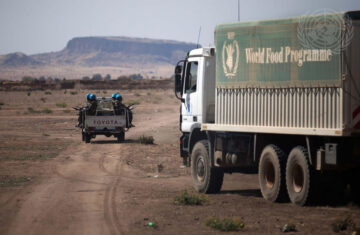
José Graziano da Silva, former FAO Director-General, reflects on a decade of debate on hunger and conflict — and proposes three concrete...
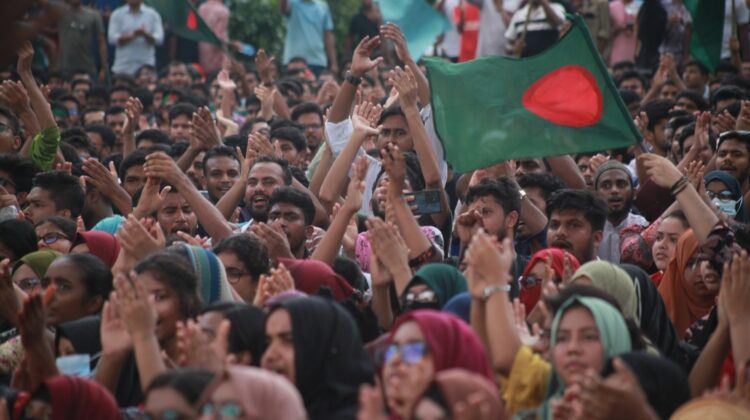
Most countries with large peace deficits in 2009 saw internal peace deteriorate over the following 15 years.
24 September 2026 | Conference
15 October 2026 | Conference
This free, six-week certification program provides an opportunity for individuals with extensive experience in peacebuilding, as well as those new to the field, to gain concrete knowledge and resources to help foster peace in their communities. Developed by the Institute for Economics & Peace, an internationally recognised think tank dedicated to understanding and advancing peace.
Apply Now Most countries with large peace deficits in 2009 saw internal peace deteriorate over the following...
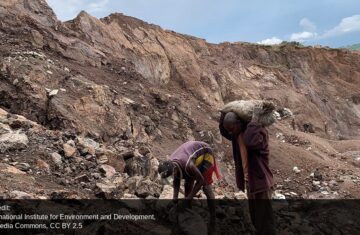
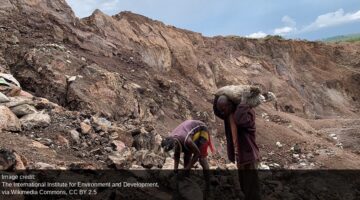
The clean energy shift has made critical minerals strategic assets. Bridget Cameron, IEP...
Terror groups had been using artificial intelligence mainly as a propaganda tool, useful for...

Massive infrastructure investments in artificial intelligence are changing the nature of power in...

Three structural drivers underpin this trend: a redistribution of global power eroding the post-Cold-War order, the transnational spread of conflict through refugees, arms, finance and ideology, and the rapid diffusion of autonomous weapons and AI-enabled targeting ahead of governance frameworks.
Explore Global Peace Index 2026 Findings
Most countries with large peace deficits in 2009 saw internal peace deteriorate over the following...
The clean energy shift has made critical minerals strategic assets. Bridget Cameron, IEP...

A record number of people are being referred to the UK’s counter-terrorism program led by...
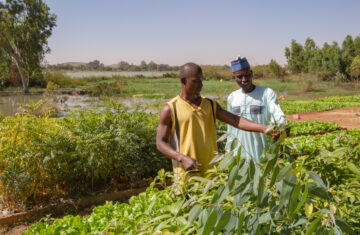
New IEP and UNDP research finds that SME lending risks in developing countries are routinely...


Future Trends is the must-read weekly briefing covering the changing face of global politics, economics, development, social and conflict. Curated by the Institute for Economics & Peace, we deliver this email to your inbox every Tuesday.
Sign up now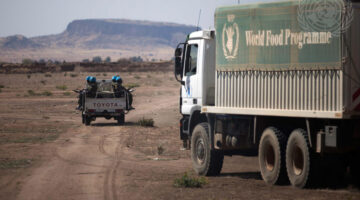
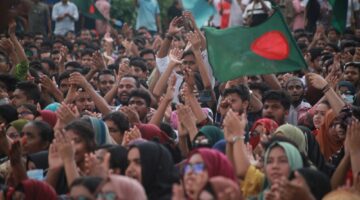
New IEP and UNDP research finds that SME lending risks in developing countries are routinely...
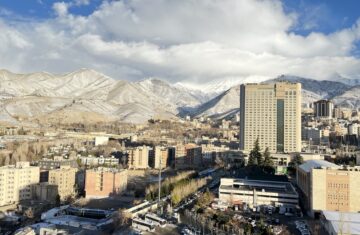
Peace has always had an economic value. The 2026 Global Peace Index reveals that a resumption of...
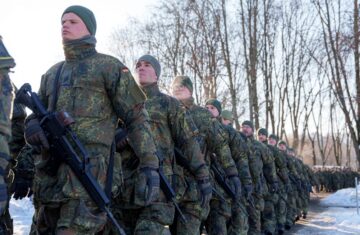
Japan and Germany, both shaped by the legacy of the Second World War and long defined by restraint...
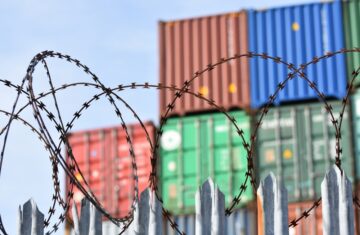
Economic conflicts now outpace even conventional armed conflict as the greatest short-term risk to...

Acquire the knowledge and skills necessary to start your journey into peace. With access to a wealth of research and resources from the Institute for Economics & Peace, you will be well-equipped to make a meaningful impact in your community.
Sign up now